Testing can be worthwhile because appearance, taste and smell cannot confirm microbiological or chemical quality. It is particularly useful when rainwater is consumed, after system changes or contamination events, when purchasing a private-water property, or when you need evidence to guide treatment decisions.
What testing adds
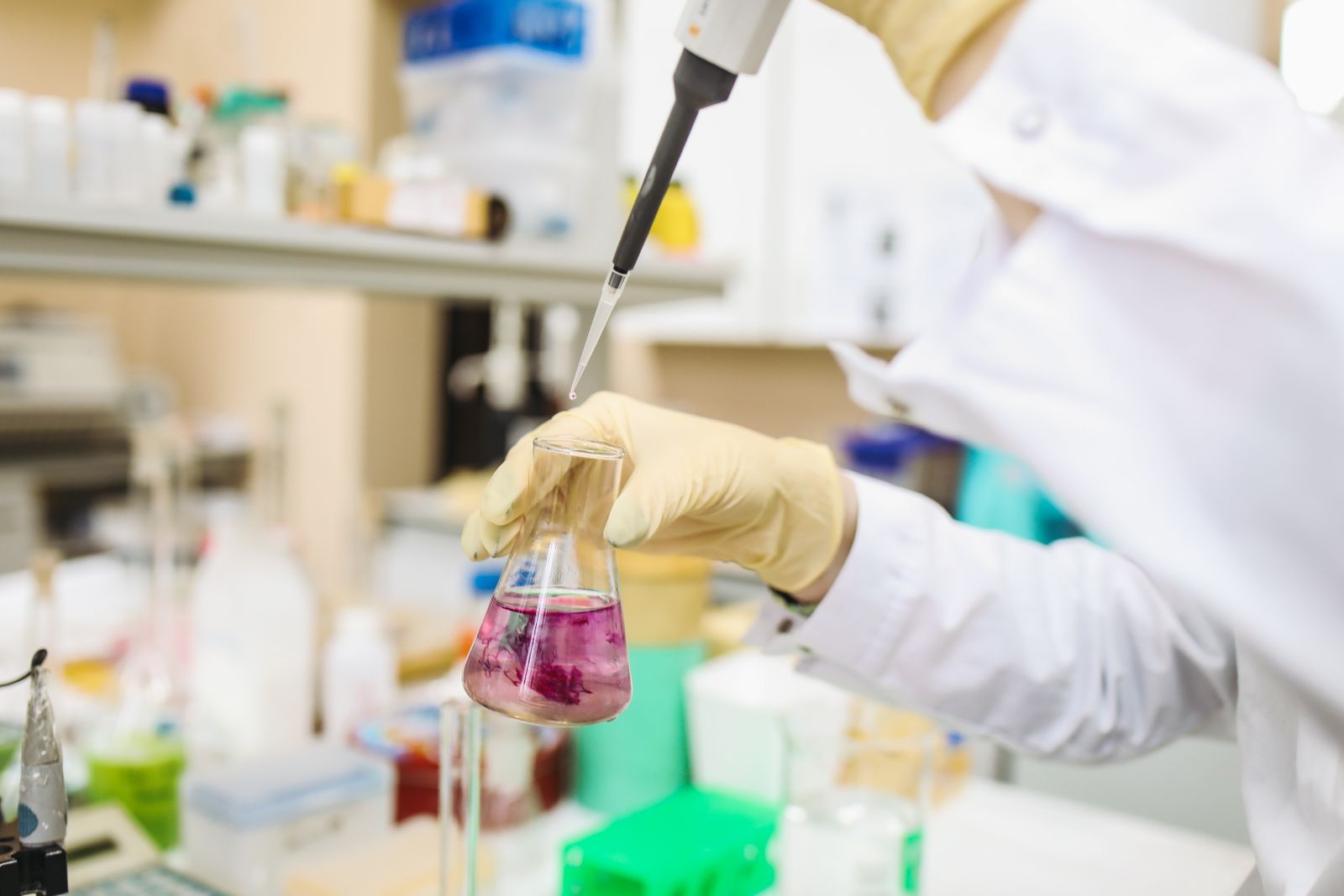
Inspection identifies physical risks such as damaged screens, heavy sediment and poor catchment maintenance. Laboratory analysis answers a different question: what was detected in the submitted sample for the parameters tested?
Useful test selection starts with the water source and decision you need to make. A rainwater household concerned about recent faecal contamination may prioritise microbiology. Bore-water treatment planning may require a broader chemistry profile. Testing everything without a purpose can add cost without improving the decision.
What a water test does not prove
A result is a snapshot of a particular sample collected at a particular time. It does not guarantee future quality, and it cannot compensate for poor sampling technique or an unmaintained system. Rainfall, animals, maintenance work and seasonal conditions can change results.
When to consider testing
- Water is used for drinking or food preparation
- A new property relies on tank or bore water
- Colour, taste or odour has changed
- Floodwater, pests or roof contamination may have entered
- A UV or treatment system has been installed or repaired
- There are recurring microbiological concerns
- Treatment equipment is being selected
Why reporting matters
A list of numbers is not the same as an explanation. AWARE Water Testing provides laboratory analysis with clear reporting intended to help customers understand results and discuss appropriate next steps. Recommendations should match the findings, water source and household system rather than defaulting to a generic filter package.
Frequently asked questions
- Can a home test kit replace laboratory testing?
- Simple field checks can be useful for selected parameters, but capability and reliability vary. Use an appropriate laboratory method when the decision requires defensible results.
- Should I sample from the tank or kitchen tap?
- It depends on the question. A tank sample examines the stored source; a kitchen-tap sample reflects the pathway through treatment and plumbing. AWARE can advise on the appropriate sampling point.
- Does a negative microbiology result mean maintenance can stop?
- No. Preventive maintenance remains important because conditions can change after the sample is collected.