
Tank water, explained.
Answer-first guides for Sunshine Coast rainwater and bore homes — reviewed by the Pristine team, careful about what we do and don't know.
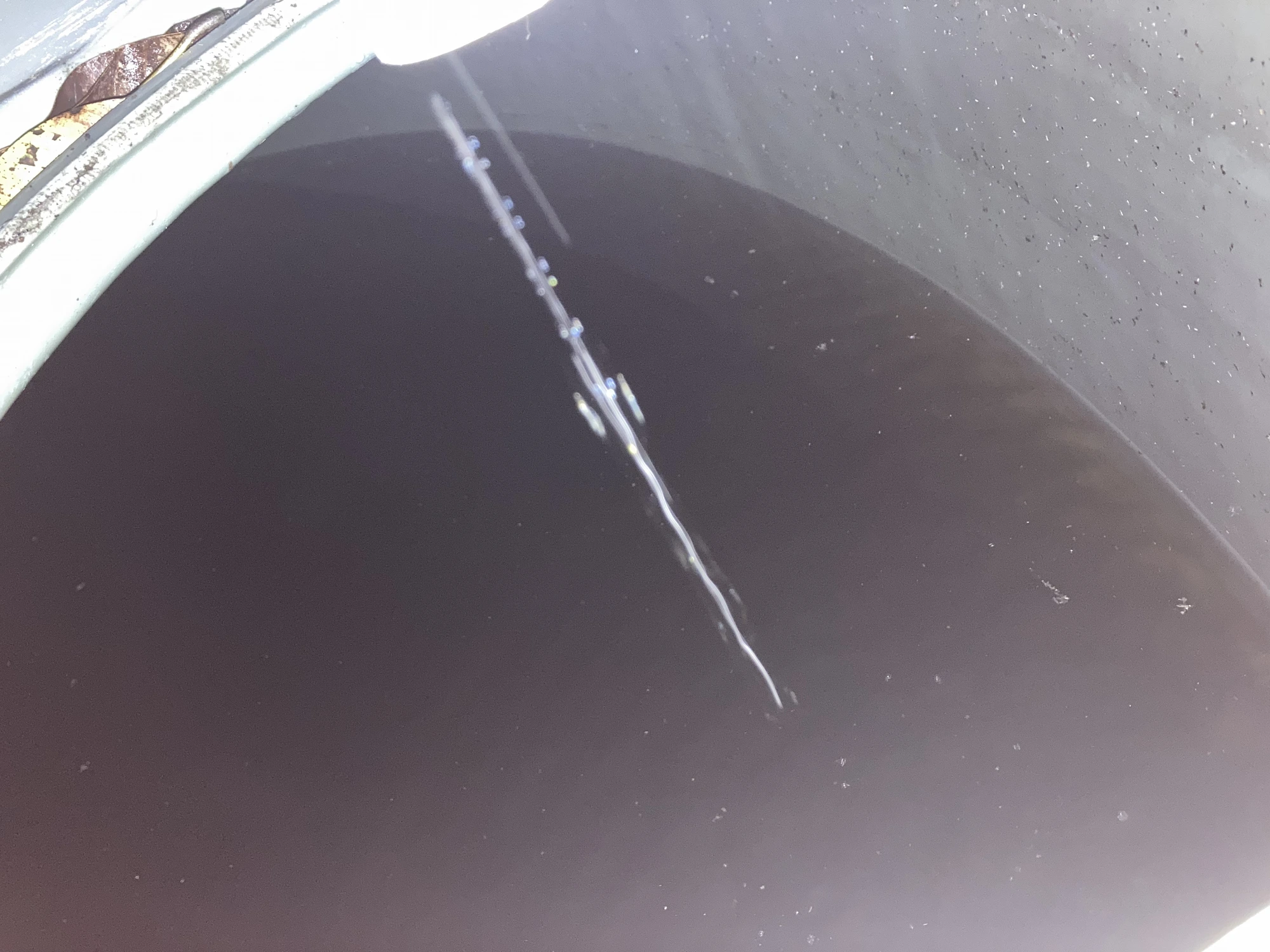
What Is the Sludge at the Bottom of a Rainwater Tank?
Understand what settles at the bottom of a rainwater tank, where it comes from and when sediment needs professional attention.
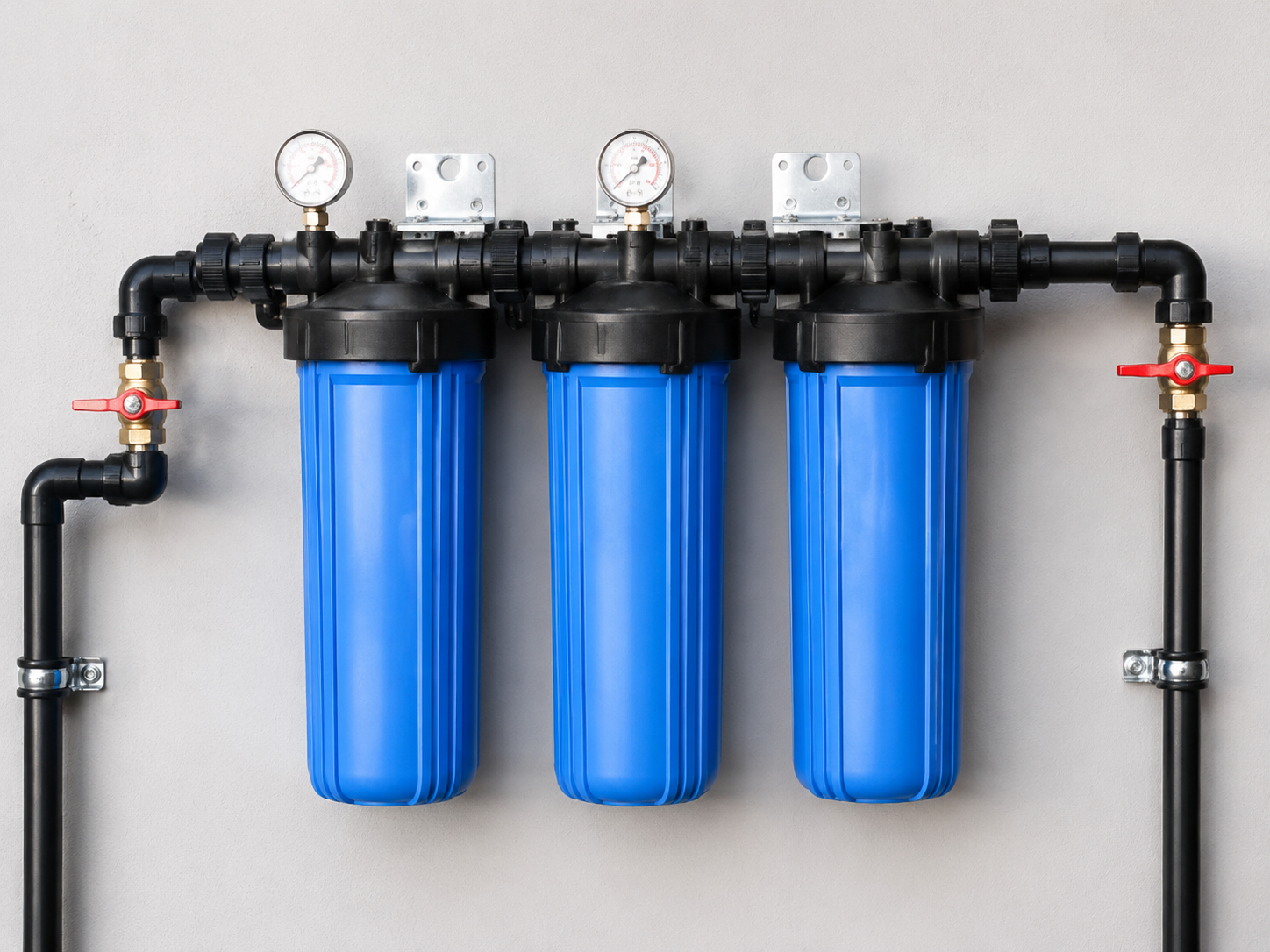
How Often Should Whole-House Water Filters Be Changed?
Filter life depends on water quality, cartridge type and household use. Learn the signs that your system needs servicing.
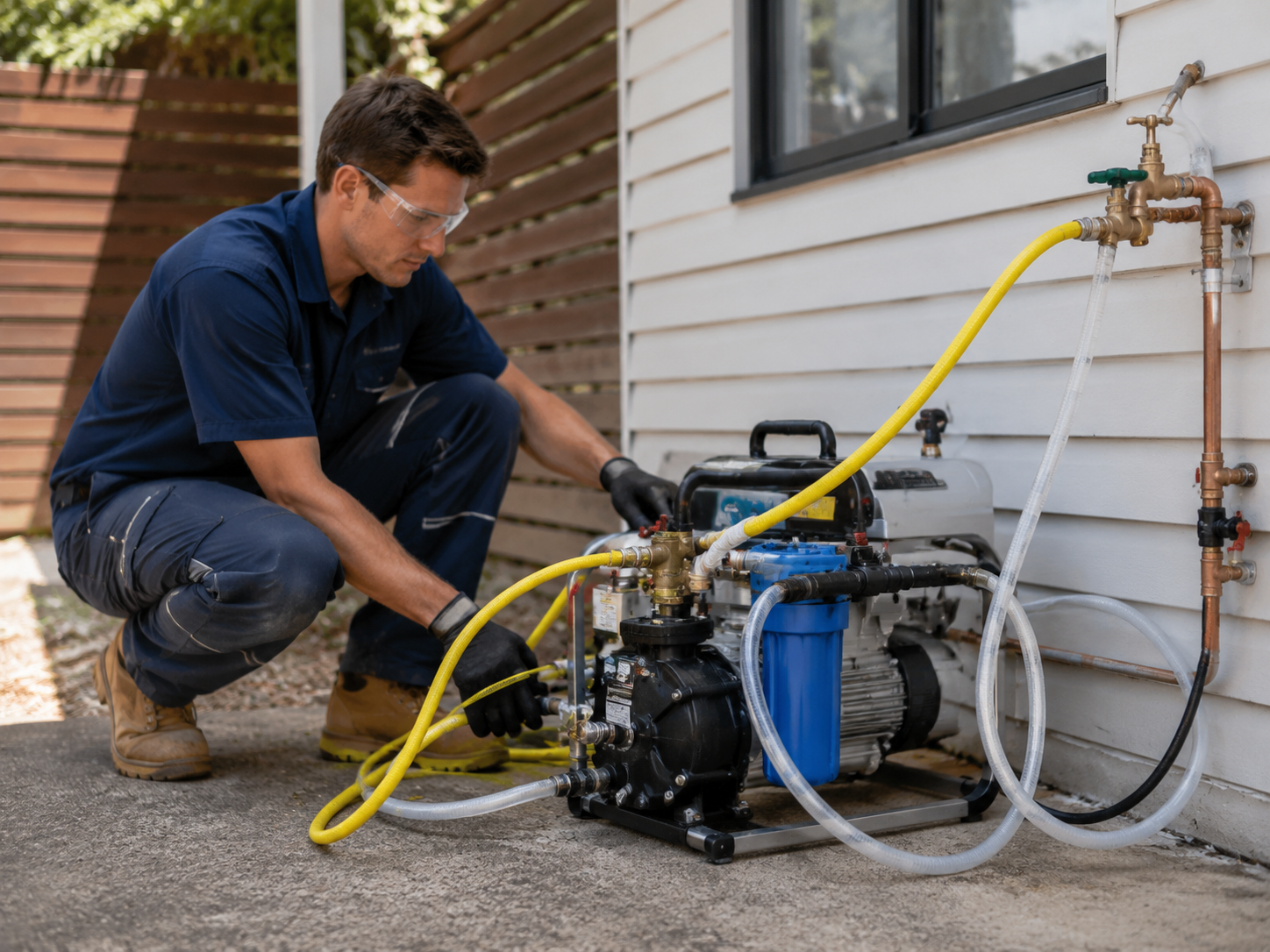
Can Bacteria Remain in Household Pipework After the Tank Is Cleaned?
Tank cleaning addresses the tank, but contamination may also affect pumps, filters and household pipework. Learn when wider treatment is considered.
Should You Test Rainwater That Looks and Tastes Fine?
Clear water can still contain things you cannot see. Learn when laboratory testing is useful and what a result can — and cannot — tell you.
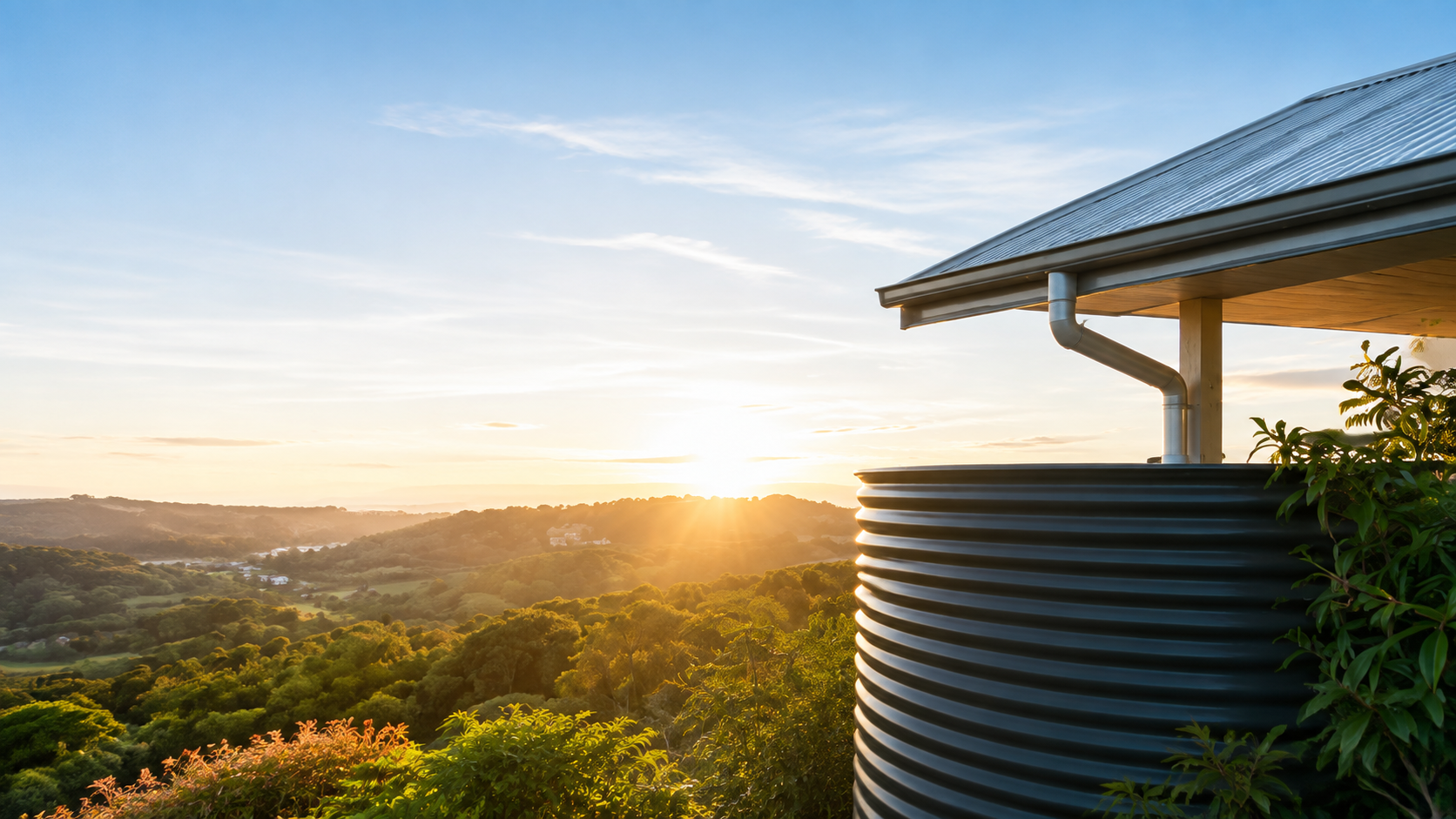
What Should You Check After a Major Storm?
A practical roof-to-tap checklist for rainwater households after heavy rain, wind, flooding or catchment damage.
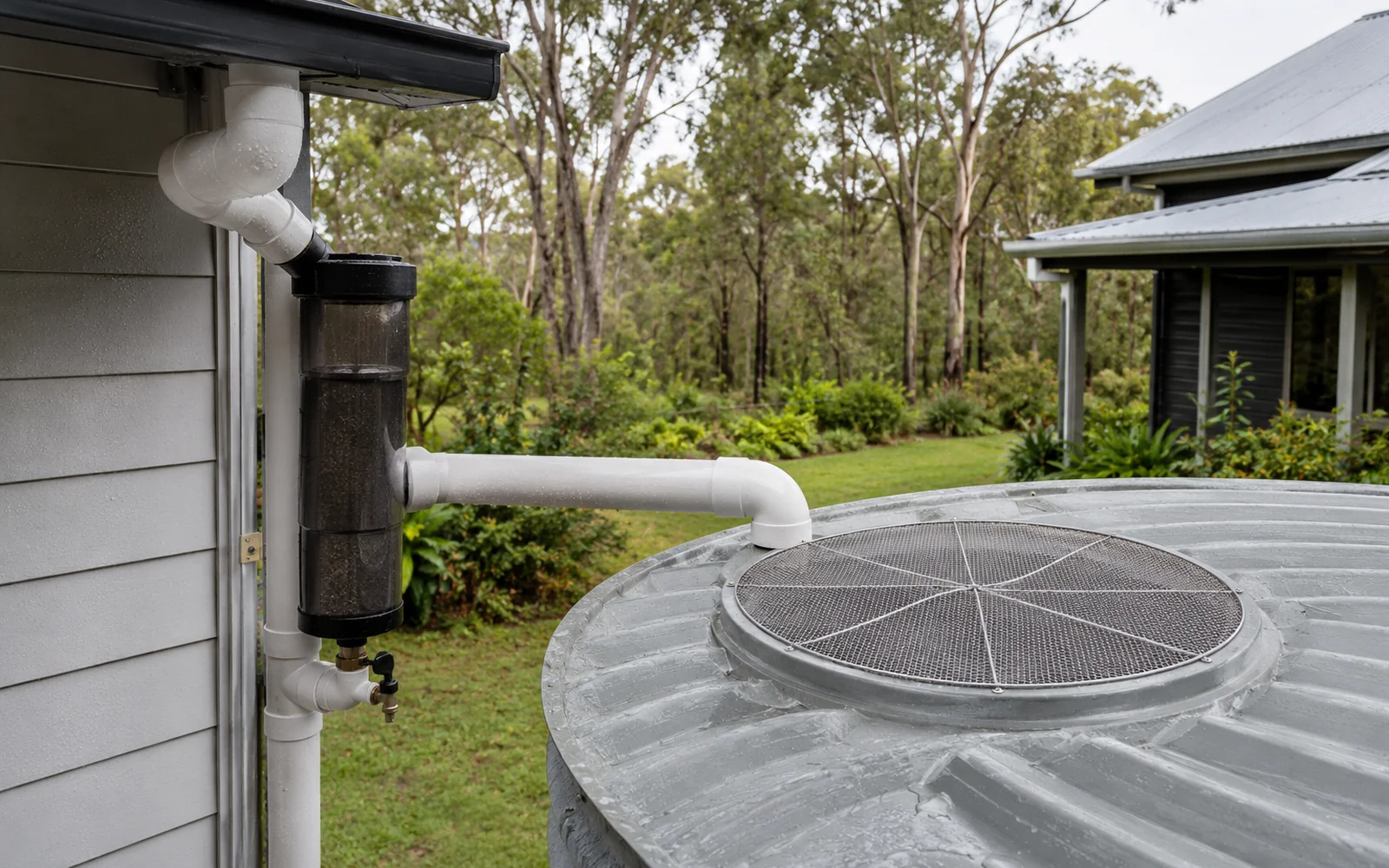
Do First-Flush Diverters and Tank Screens Really Matter?
Learn how first-flush diverters, inlet screens and overflow screens reduce contamination entering a rainwater system.
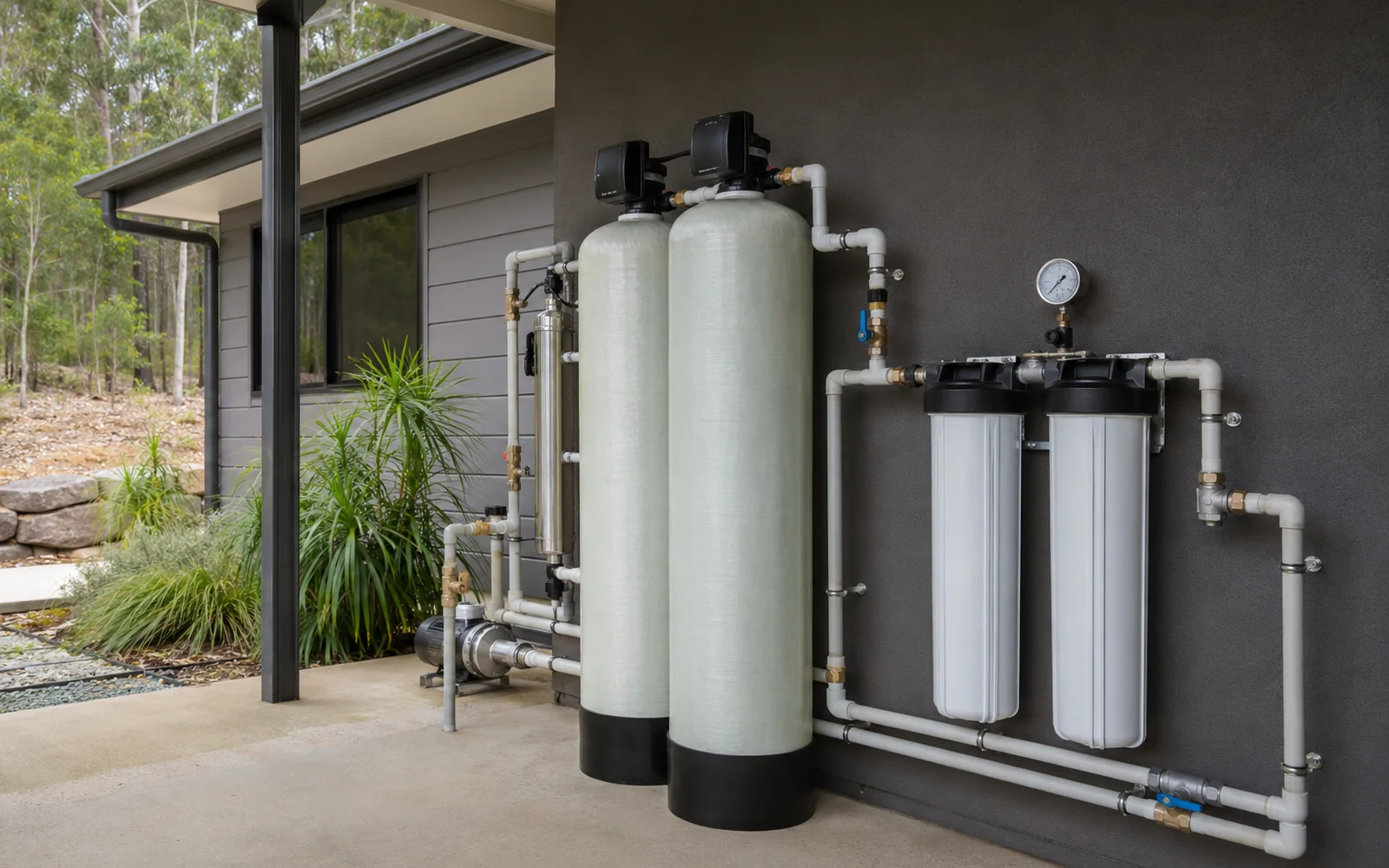
What Water Treatment Does a Bore-Water Home Need?
Bore-water treatment should follow testing. Learn how pH, iron, manganese, hardness, salinity and microbiology shape system design.
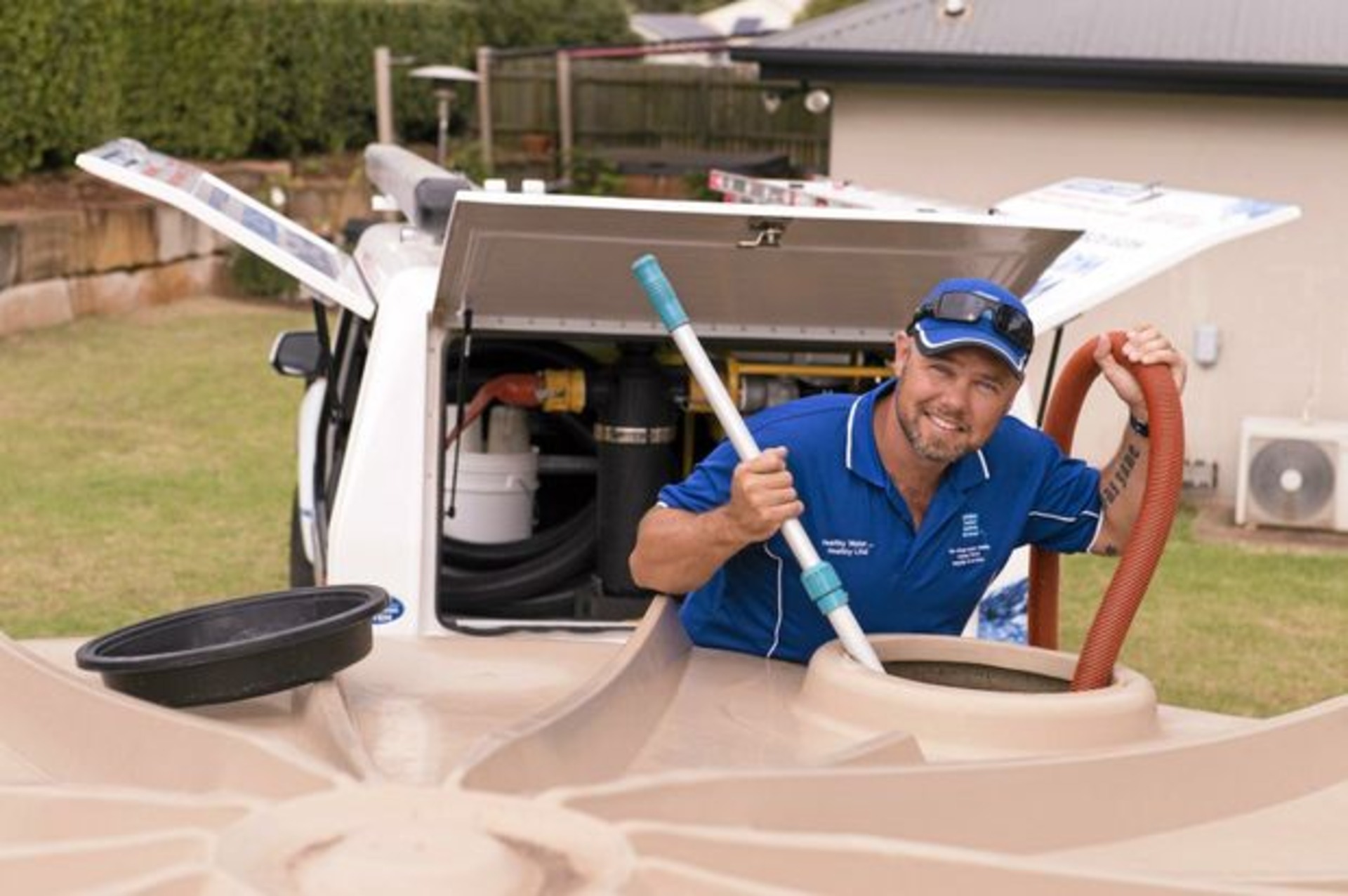
How Often Should a Rainwater Tank Be Cleaned?
Learn when a rainwater tank may need cleaning, the warning signs to watch for and why timing depends on the whole roof-to-tap system.
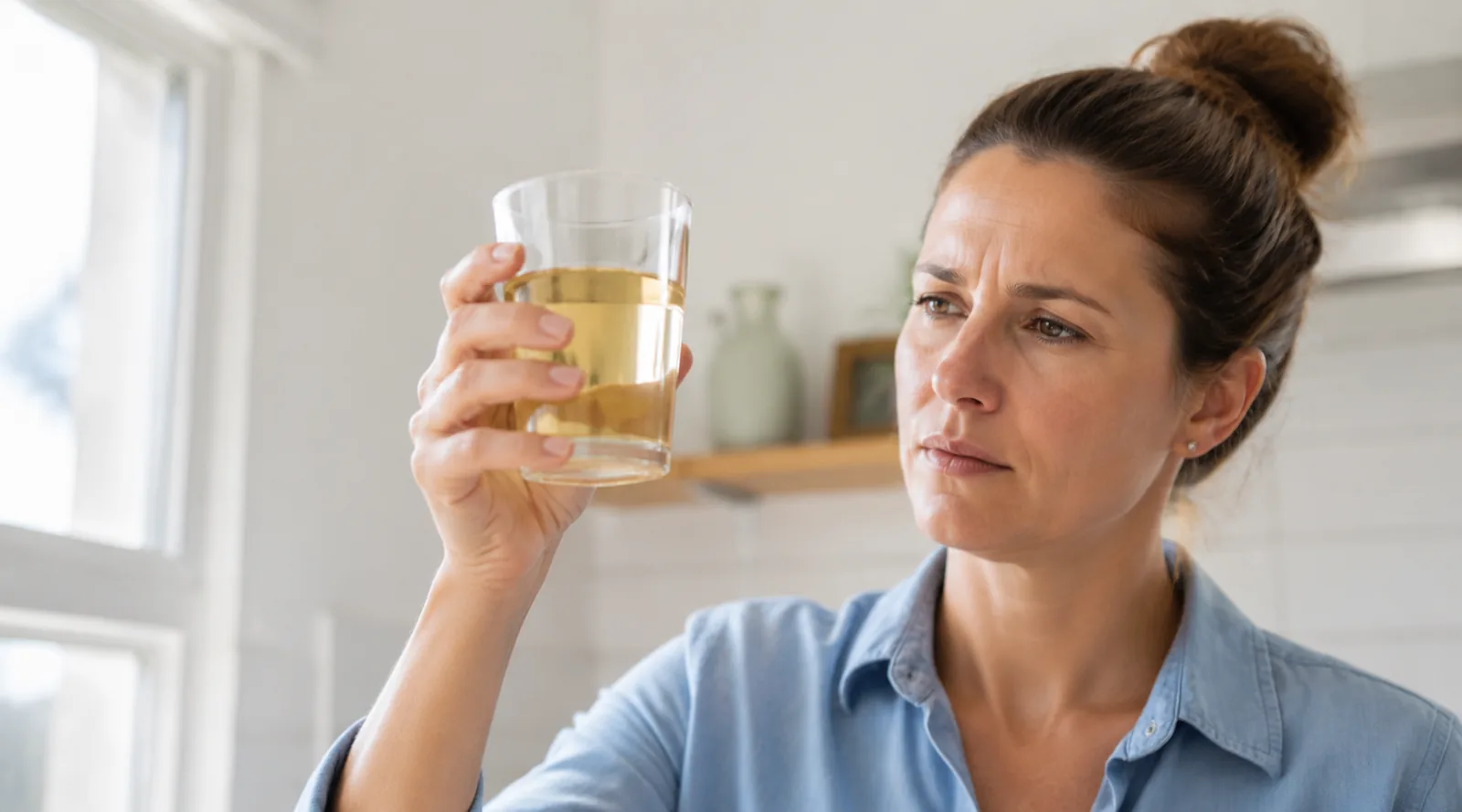
Why Is My Rainwater Yellow?
Yellow tank water can be caused by tannins or disturbed material. Learn why standard filters may not remove colour and what to check first.
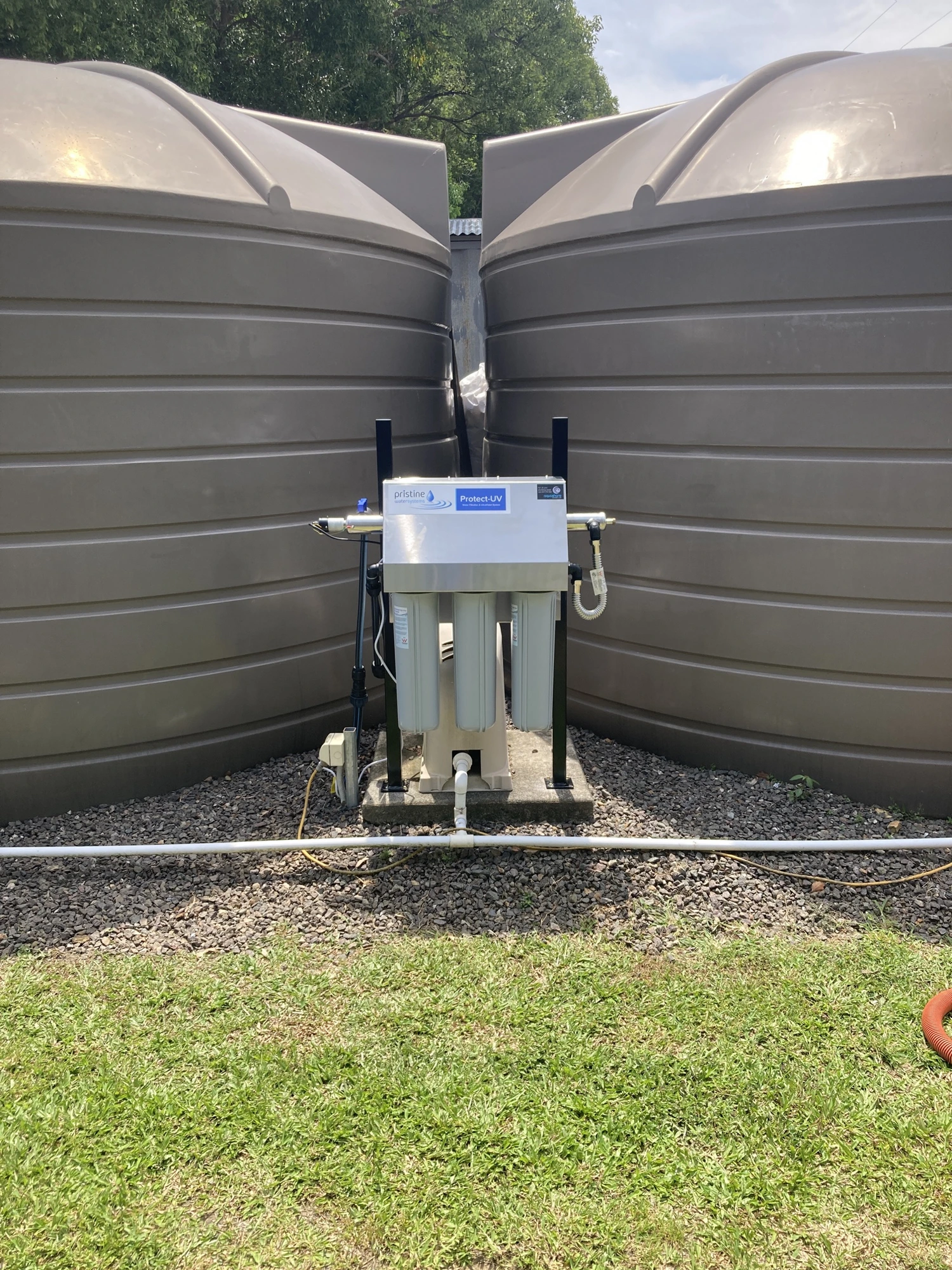
Does UV Kill Bacteria in Rainwater?
UV can inactivate microorganisms when correctly designed and maintained, but it does not remove sediment, chemicals or colour.
Not sure what your system needs?
Book a free roof-to-tap inspection with our local Sunshine Coast team.